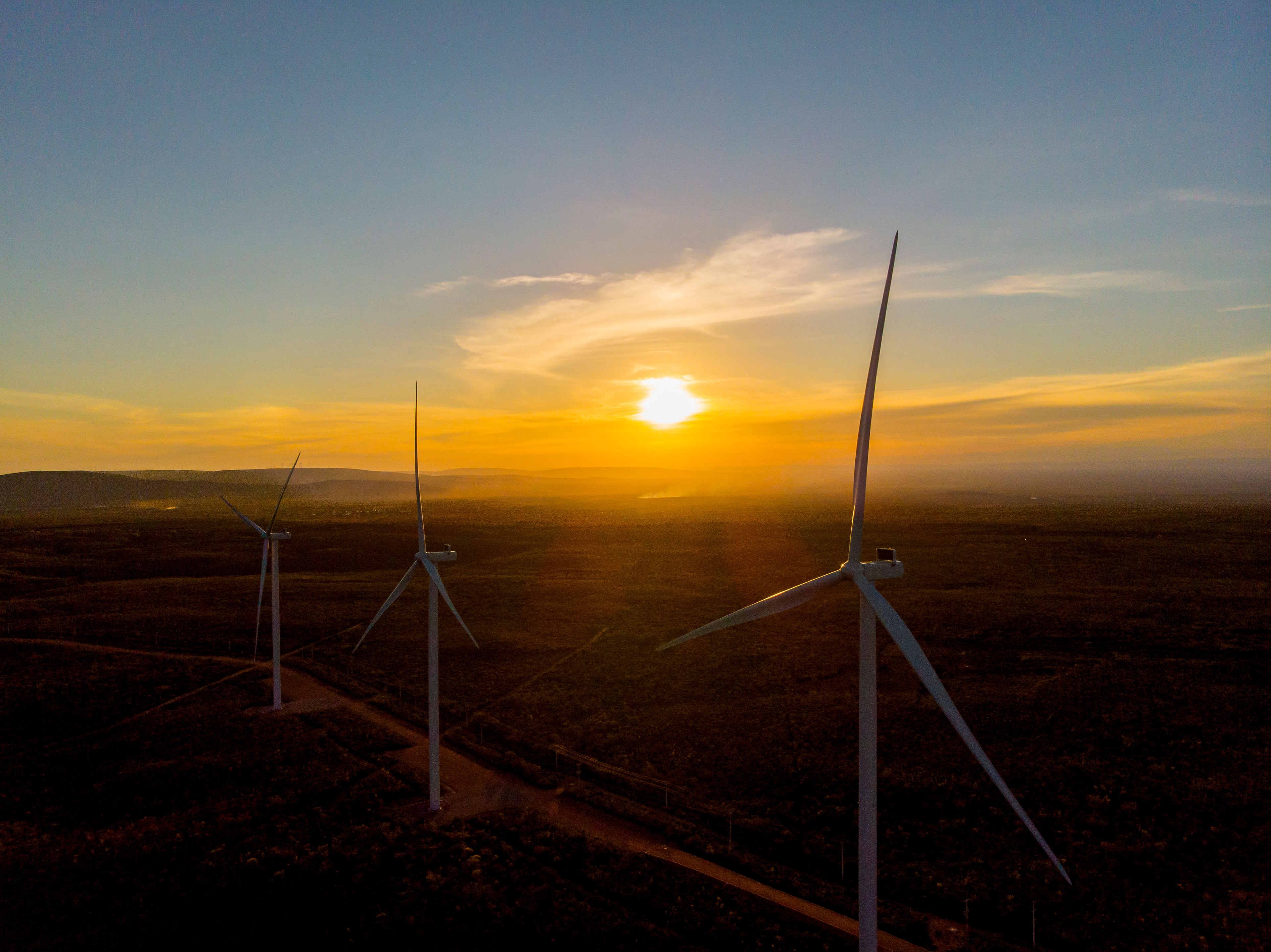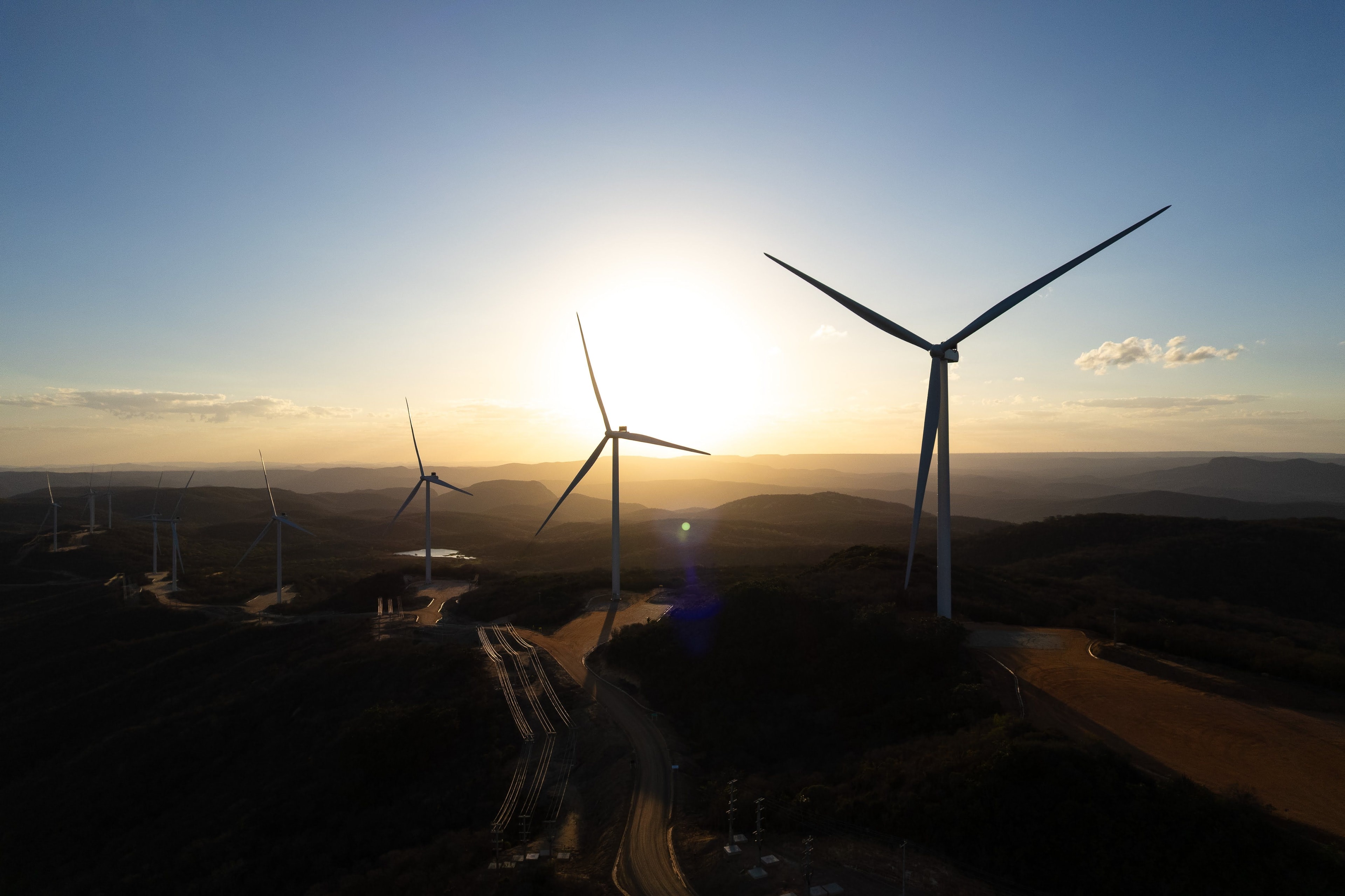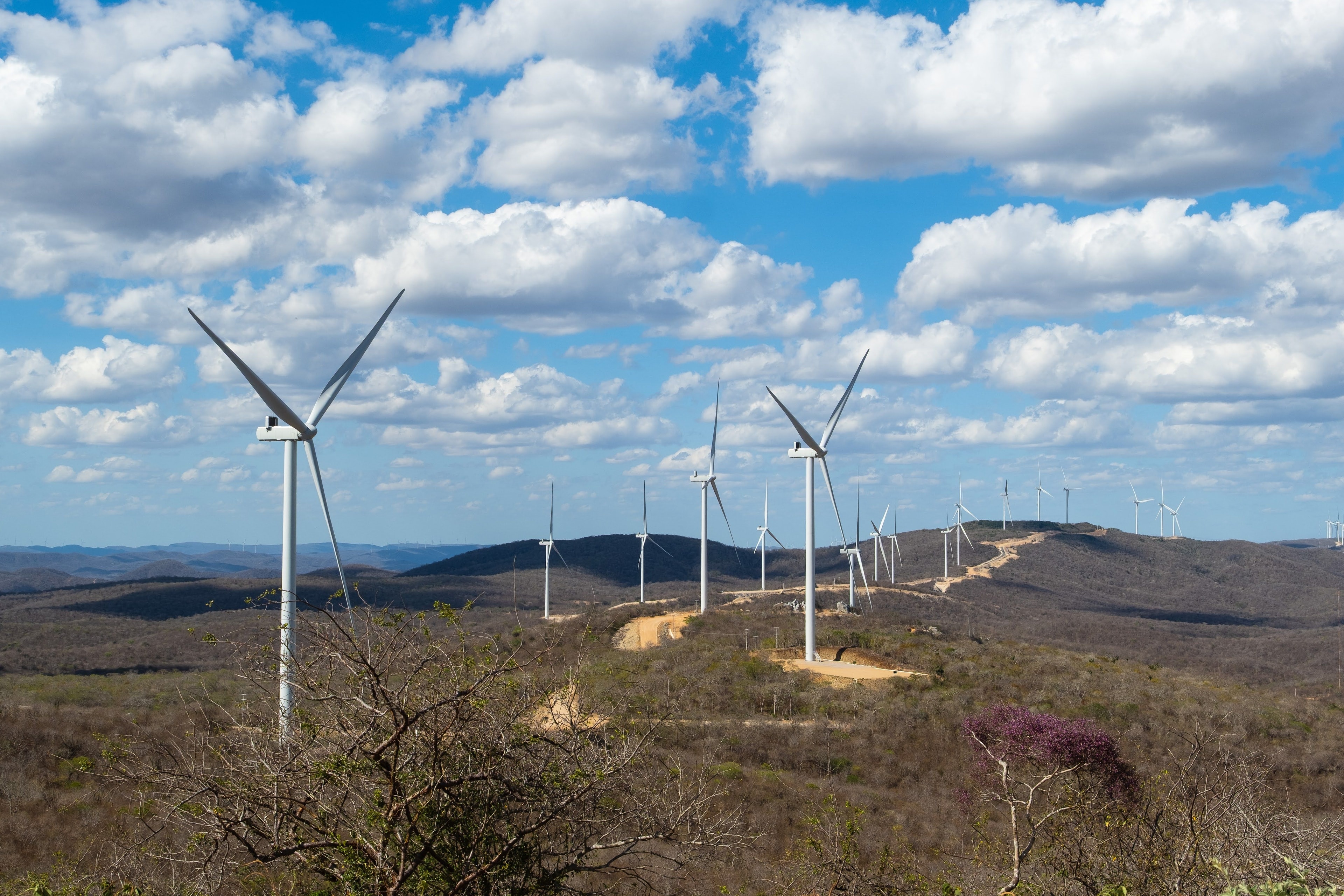
Braskem has signed a contract worth over R$ 1 billion to purchase wind energy from Casa dos Ventos, one of the pioneers and largest investors in the development of wind projects in Brazil. The corporate power purchase agreement (PPA) is linked to the construction of a new wind farm and provides for the supply of renewable energy for 20 years, with an estimated avoidance of around 700,000 tons of CO2 emissions during this period. Casa dos Ventos will be responsible for directing the investment and implementation of the new wind farm.
"This is our fourth contract for the long-term purchase of renewable energy, being the largest in volume acquired to date. From this, we will contribute to the construction of another energy generation park and strengthen our strategy of having an increasingly renewable energy matrix in our operation and in the petrochemical chain operation, reaffirming our commitment to sustainable development. We are committed to becoming a carbon-neutral company by 2050, with the goal of reducing our emissions by 15% by 2030, and this is another step in this journey," says Gustavo Checcucci, Braskem's Energy Director.
In addition to purchasing energy, Braskem will have the option to acquire a stake in the wind farms, subject to the approval of the competent governance bodies, enabling the self-production regime. "We have developed a tailored model, where we are responsible for the construction and operation of the wind farms, but leave open the possibility for our partners to become shareholders of these projects in the future. It's a model that generates benefits for everyone, mainly for the country, by encouraging an energy transition model for large consumers," explains Lucas Araripe, Director of New Business at Casa dos Ventos.
Commitment to renewable energy
In 2020, Braskem announced two other important contracts for the purchase of renewable energy. The first agreement, announced in March, with the French multinational Voltalia, will enable the expansion of the Serra do Mel solar complex, in Rio Grande do Norte, with a capacity to generate 270 MW. The second, announced in June, is a partnership with Canadian Solar and enables the construction of a solar power plant in northern Minas Gerais, with an installed capacity of 152 MWp, enough to supply a city of 430,000 inhabitants. At the end of 2018, the company had signed a contract with EDF Renewable to purchase wind energy, also for a period of two decades. Through these three agreements, with Voltalia, Canadian and EDF Renewable, Braskem estimates that it will avoid the emission of around 955,000 tons of CO2.
Commitment to a carbon-neutral circular economy
Braskem has announced a public commitment to expand its efforts to become a carbon-neutral company by 2050. To achieve this goal, the company's strategy considers initiatives to reduce, compensate and capture carbon, as well as expand the I'm green portfolio, which includes products focused on the circular economy, and engagement to ensure that over the next ten years, 1.5 million tons of plastic waste are properly disposed of.
Both Braskem and Casa dos Ventos have formally adhered to the United Nations Global Compact and the 17 Sustainable Development Goals. This partnership, along with Braskem's initiatives for the next few decades, is aligned with the UN's 2030 Agenda and the Paris Agreement to control the impacts of climate change. Learn about Braskem's manifesto at www.braskem.com.br/macroobjetivos.
About Casa dos Ventos
Casa dos Ventos is one of the pioneers and largest investors in the development of wind projects in Brazil. With over ten years in the market, it is responsible for developing the largest number of projects that have commercialized energy in regulated auctions and in the free contracting environment in the country. In addition to having developed approximately 30% of all projects under implementation or operation in the country, the company is the holder of the largest portfolio of wind projects in Brazil. The company's wind projects are located in Ceará, Rio Grande do Norte, Pernambuco, Paraíba, Bahia, and Piauí.