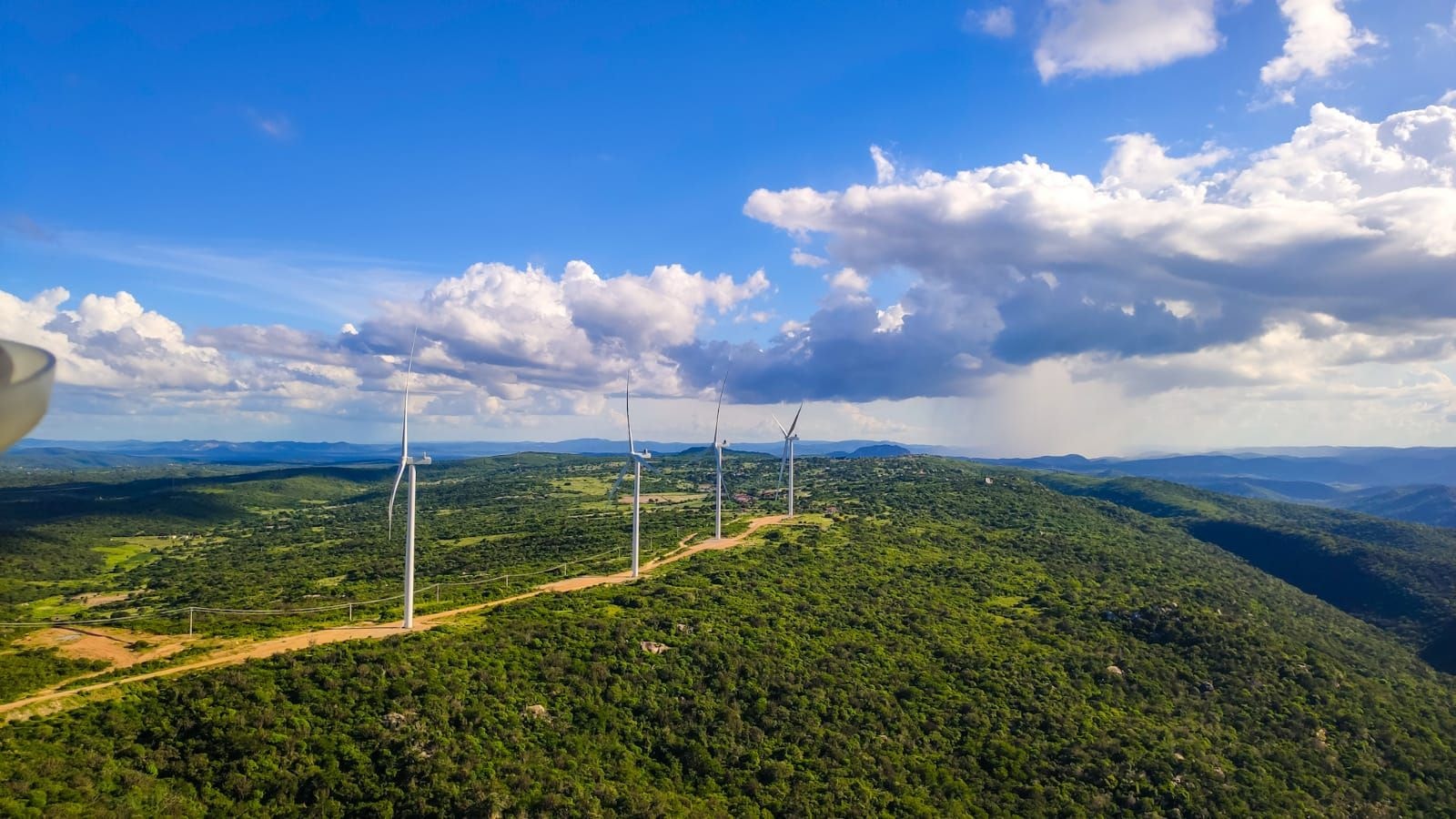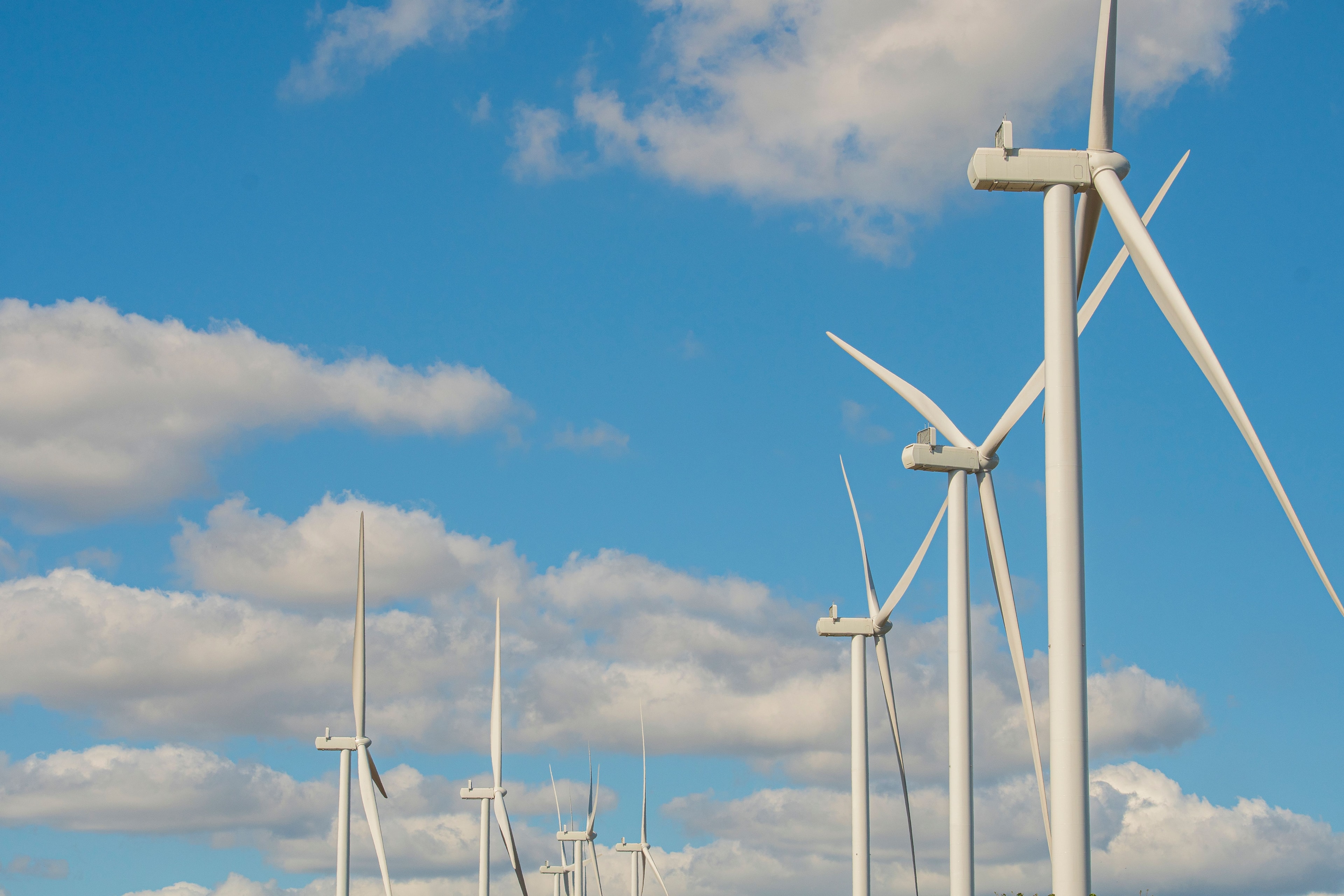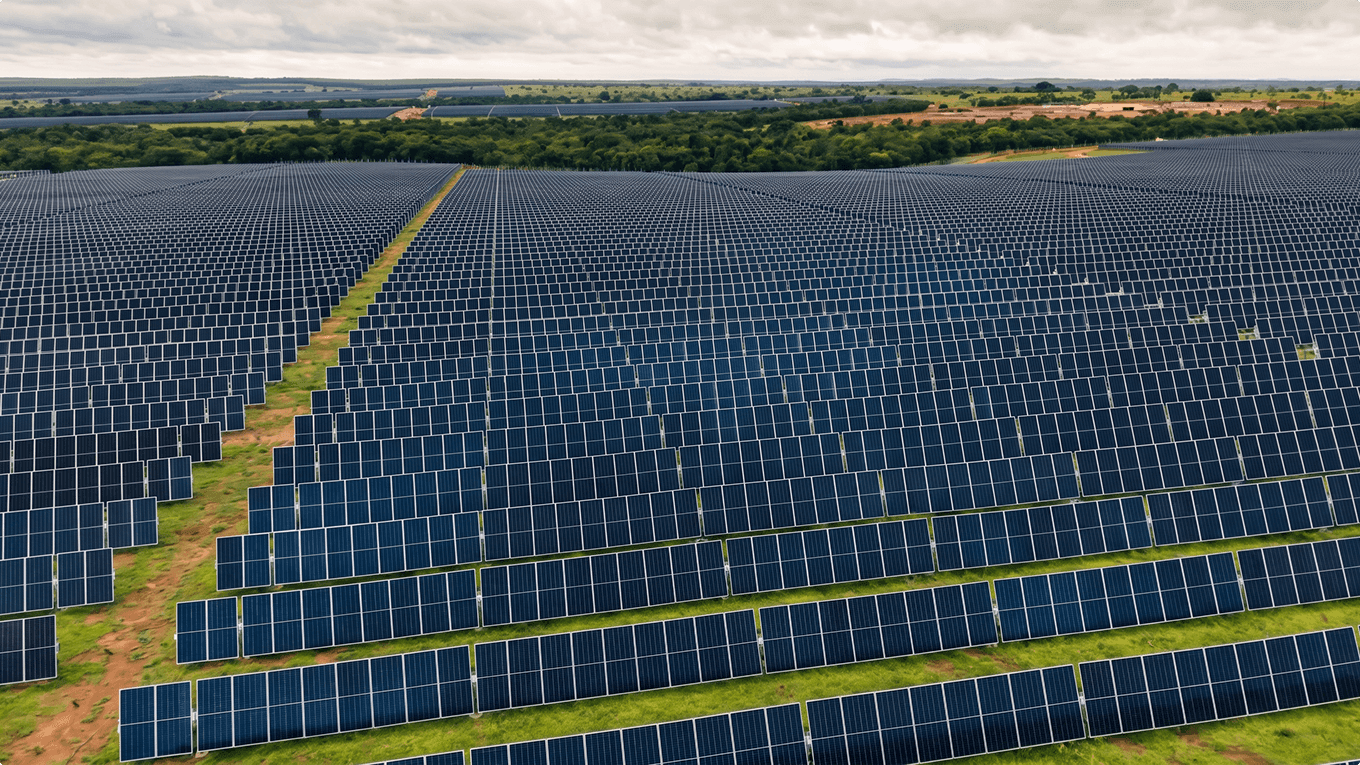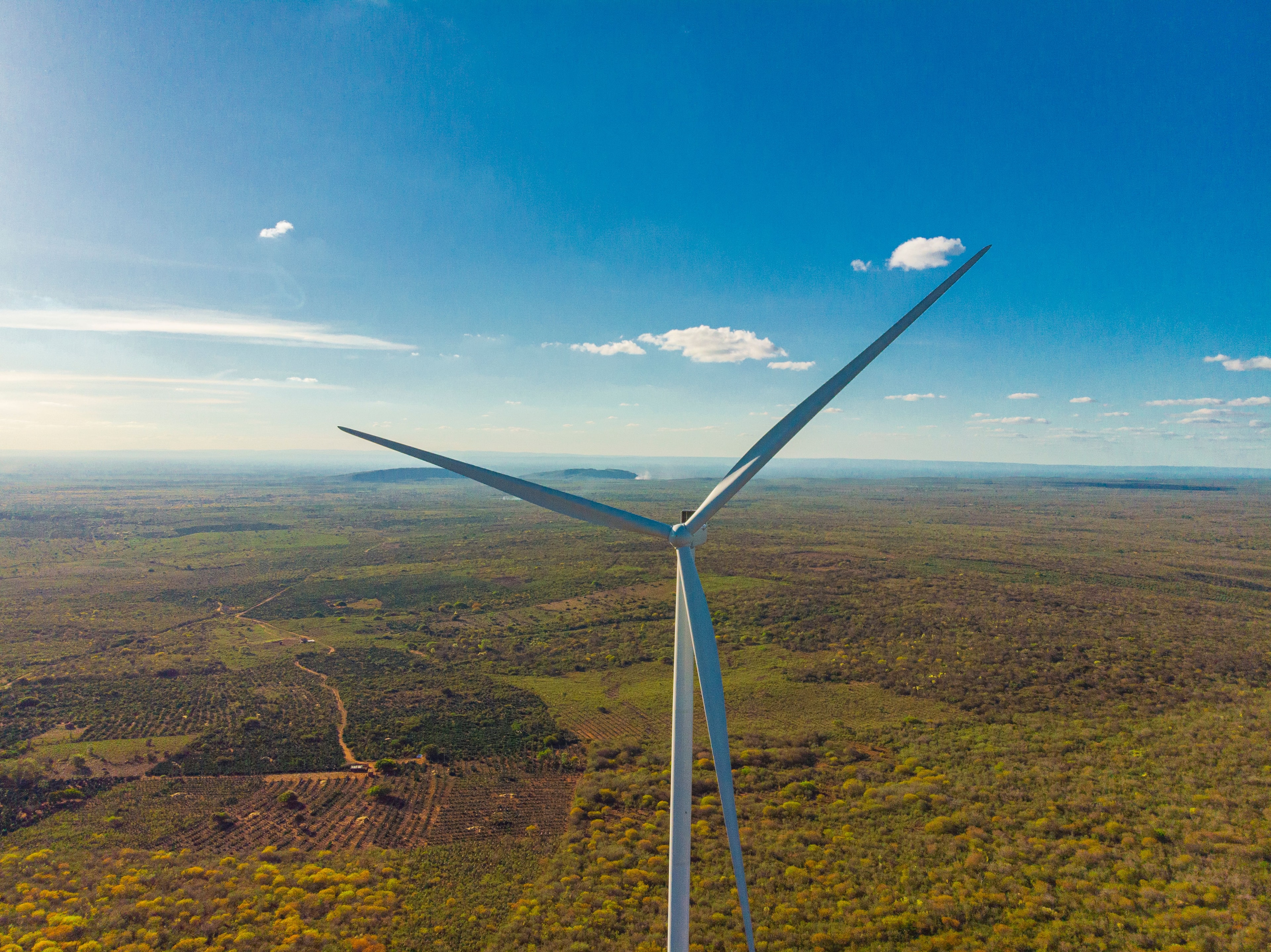
The partnership between Casa dos Ventos and Ypê, consolidated through a strategic self-production model for renewable energy, completes two years in 2026 and has been providing consistent environmental and social impacts. In addition to contributing to the reduction of CO2 emissions by the cleaning product manufacturer, social actions carried out in communities in Rio Grande do Norte, where the Rio do Vento Wind Complex is located, and in which Ypê participates, directly benefited more than 1,000 people in 2025.
This data shows that, more than commercial contracts, the existing agreements between the companies represent a union of purposes. Self-production, therefore, proves to be more than an energy solution: it has also become a strategic instrument for transformation.
"The partnership with Casa dos Ventos has allowed us to advance in the decarbonization of our operation while boosting opportunities in Rio Grande do Norte. This model combines efficiency, energy security, and environmental impact, values that are part of how we operate and our commitment to leaving a positive legacy wherever we go," says Gustavo de Souza, Director of Research and Development, Sustainability, and Industrial Intelligence at Ypê.
While ensuring predictability and decarbonization for the industry, the model enables structural investments in energy transition, connecting business efficiency and sustainable development. The experience between Casa dos Ventos and Ypê shows that energy transition gains strength when aligned with value generation for all involved stakeholders.
This partnership goes beyond energy supply. It is a strategic union to drive energy transformation, decarbonization, and social development in Brazil, ensuring a positive impact in the regions where we operate
states Erick Lima, Director of Strategy and Corporate Management at Casa dos Ventos.
Impact Actions
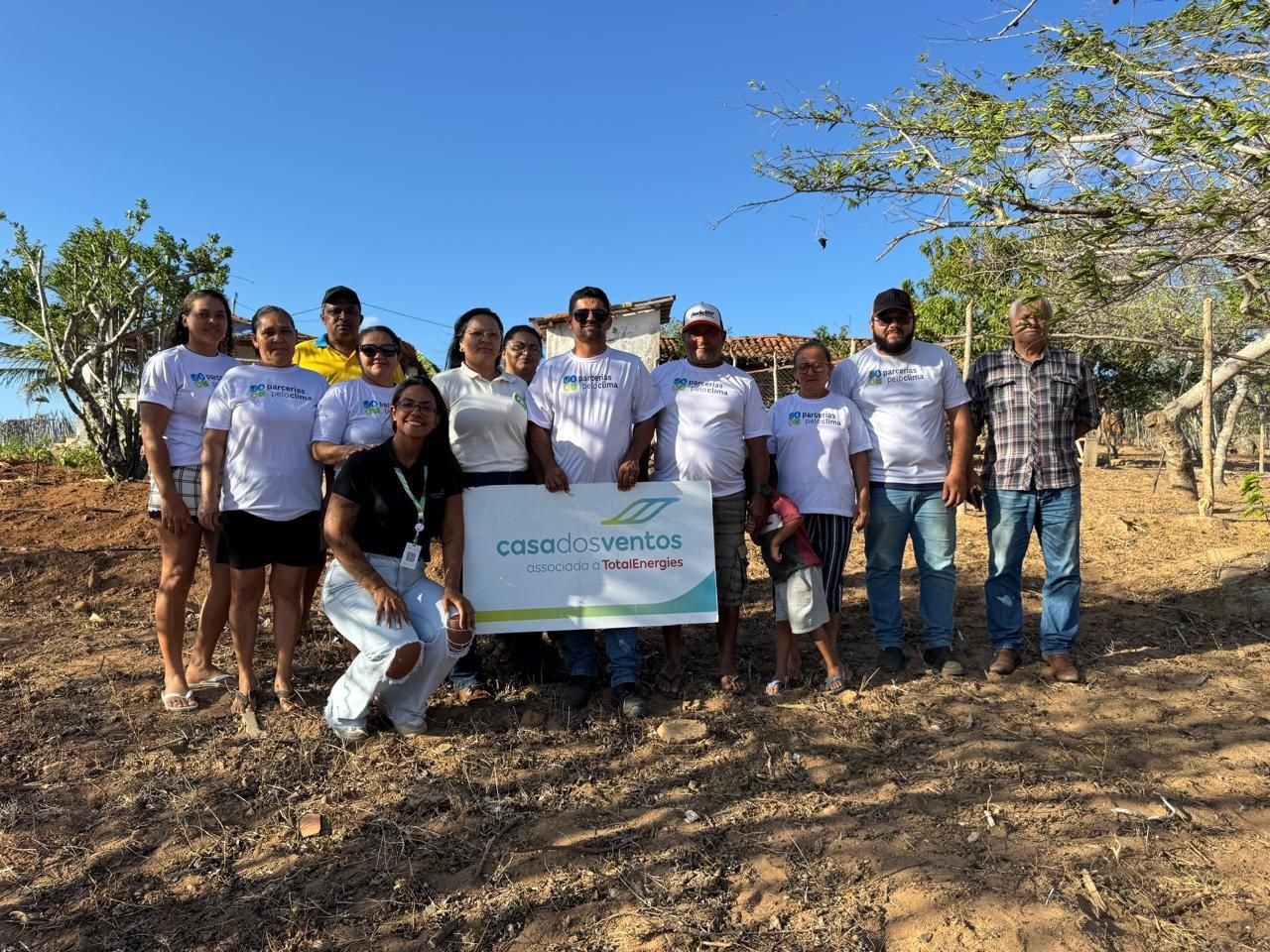
Through the Climate Partnerships Call for Proposals, Casa dos Ventos has been supporting socio-environmental projects that strengthen job and income generation, food security, environmental education, and access to culture. Among the highlights of the 2025 cycle's Call for Proposals is the Kurta na Kombi project, which brought workshops and environmental cinema sessions to five municipalities in Rio Grande do Norte, directly benefiting 600 people and indirectly impacting another 1,800.
"It is an opportunity for access to culture that often does not reach us. The project broadens horizons, values diversity, and also shows that it is possible to promote culture sustainably," says Arthur Sena, director of the Municipal School Francisquinho Caetano, in Riachuelo (RN).
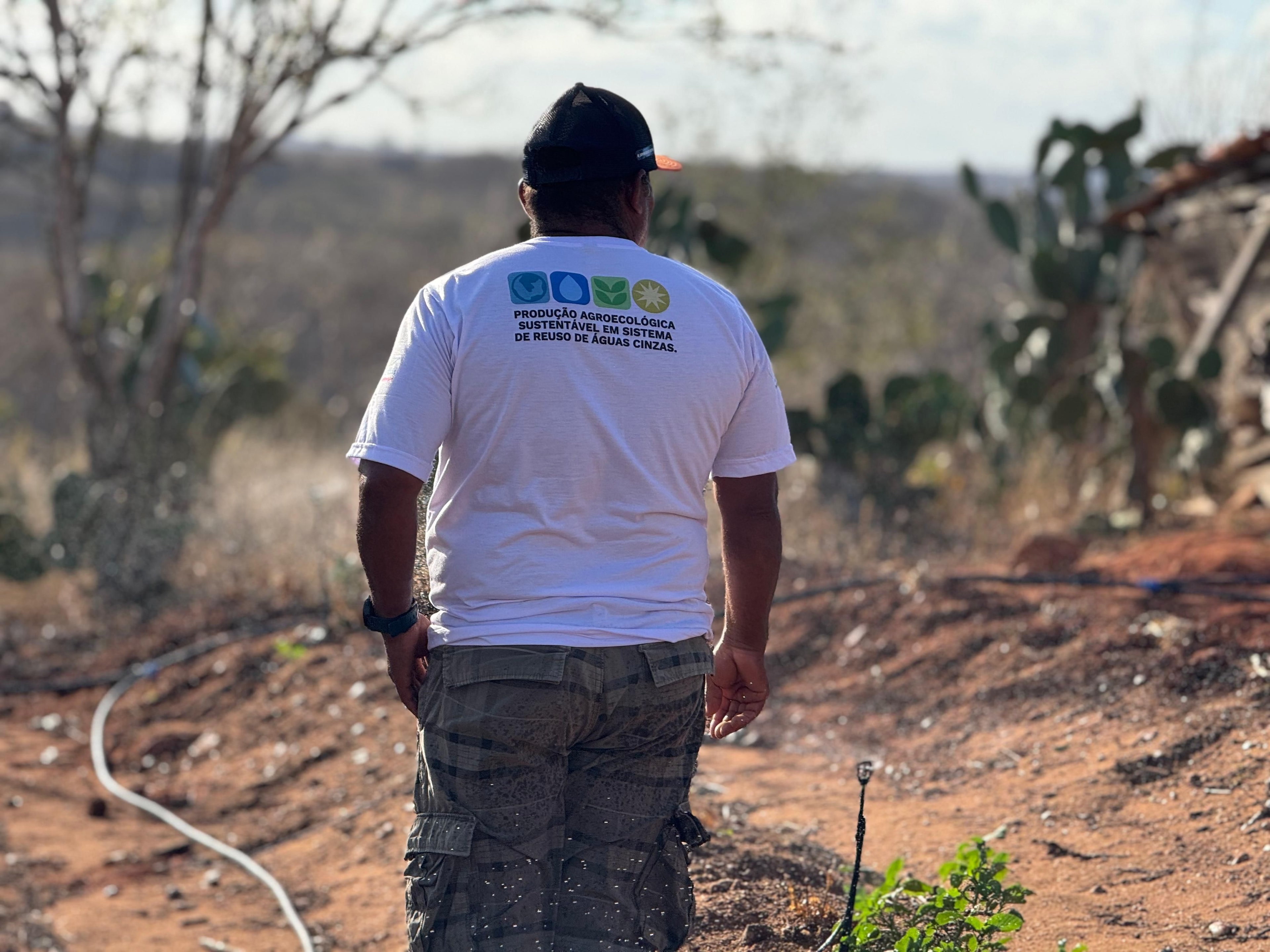
Another example is the Gray Water Reuse System Project, implemented in the Boqueirão community, in Ruy Barbosa (RN), which benefits 24 families with the installation of biological filters capable of treating water from sinks, showers, and faucets, allowing its safe reuse in irrigation and food production. "We began to understand, in practice, that every drop counts. The project brought learning, responsibility, and strengthened collective awareness about the care of natural resources," says community leader Joaldo Varela de Siqueira.
The projects supported by the call for proposals show satisfaction rates above 90%, evidencing their positive impact on communities. The initiatives include strengthening family farming, including activities such as sheep and goat farming, sustainable poultry farming, and meliponiculture, in addition to food security actions, female empowerment, sports, environmental education, and cultural training through music. The technical support for carrying out the projects and the investments, which last year ranged between R$ 30,000 and R$ 50,000 per project, reinforce the commitment to job and income generation, productive inclusion, and valuing local vocations.
About Casa dos Ventos
We are a benchmark in renewable energy and a protagonist in Brazil's energy transition. With almost two decades of experience, we have knowledge in all links
of the sector's chain and work to ensure our clients achieve cost reduction and meet their emission targets efficiently and sustainably.
To advance our prominent position in the sector, we, together with group companies, own the country's largest portfolio of wind and solar projects, with approximately 33.4 GW of capacity. We accelerated our growth through a joint venture with TotalEnergies, one of the world's largest energy companies, and became the multinational's exclusive renewable energy vehicle in the country.
We are signatories of the UN Global Compact and work in alignment with the 17 Sustainable Development Goals (SDGs) and the best ESG practices; we preserve local biomes and develop social projects in the communities where we are present, thus contributing to propel Brazil towards a low-carbon economy.
About Ypê
Ypê is a leader in important categories in Brazil's hygiene and cleaning segment, with a portfolio of over 450 products in 23 categories, including the brands Assolan, Atol, Tixan, Perfex, Flor de Ypê, Siene, and Banho a Banho. Founded in 1950, Ypê is a 100% Brazilian company with over 7,300 employees. With its headquarters located in Amparo, in the interior of São Paulo, it has six other manufacturing complexes: Salto (SP), Simões Filho (BA), Anápolis (GO), Goiânia (GO), Itajubá (MG), and Itapissuma (PE), and was ranked among the best large companies to work for in the interior of São Paulo and among the best companies in the industry category by GPTW 2025. As signatories of the Global Compact – the world's largest corporate sustainability initiative, proposed by the United Nations (UN) – and the Business Pact for Integrity and Against Corruption, an initiative of the Ethos Institute of Business and Social Responsibility, we are the only company in the cleaning sector recognized twice consecutively as a Pro-Ethical Company [2020-2021/2022-2023] by the Comptroller General of the Union (CGU).